
Prehistory & Ancient Civilizations
Evidence suggests humans have used pigments, clays, natural dyes — not just for art, but for body decoration and cosmetics — since prehistoric times. Some pigment samples and body-paint palettes date back tens of thousands of years
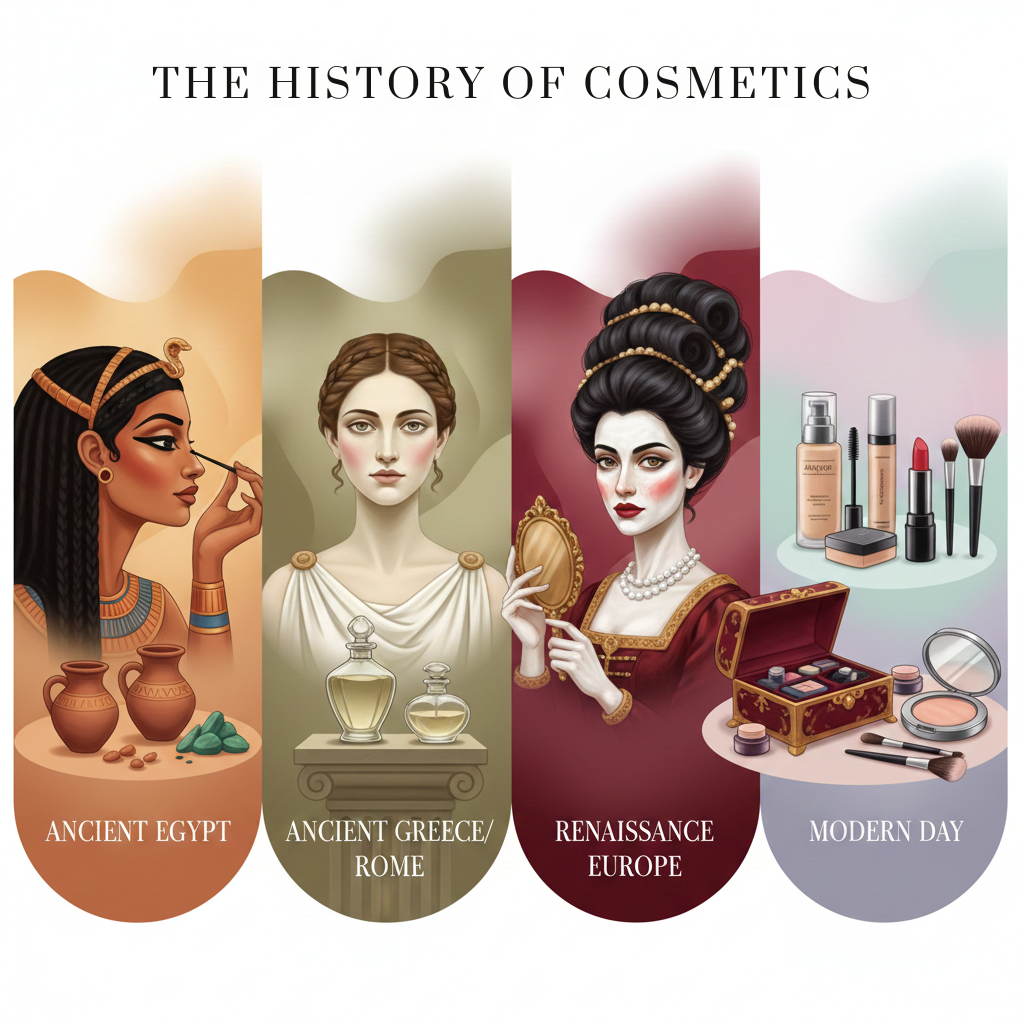
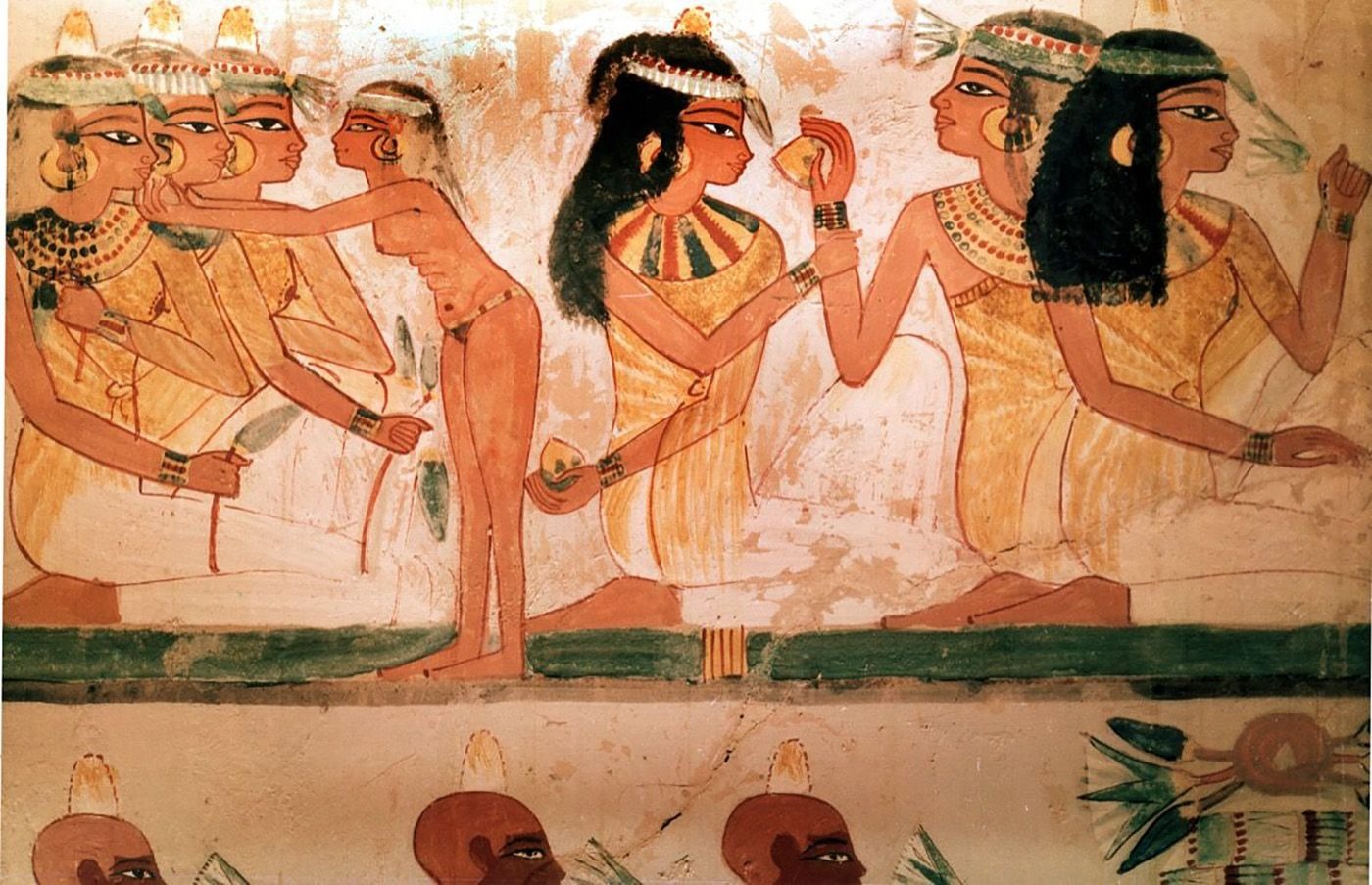
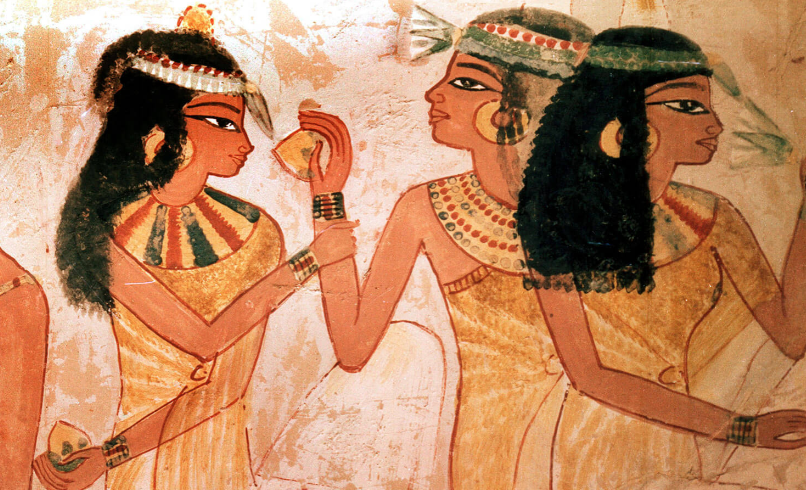
As soon as early civilizations emerged, cosmetics became part of daily life. The earliest well-documented cosmetic culture is from Ancient Egypt. By around 4000 BCE, both men and women in Egypt used oils, ointments, and makeup. They applied kohl (dark eye-liner made from galena or other minerals) to darken their eyes; used green malachite or black galena for eye-shadows; red ochre for lips or cheeks.
Cosmetics in Egypt weren’t only about “beauty” — they also had practical and ritualistic value. Oils and ointments protected skin from harsh sun and dry winds; perfumed oils masked body odor; makeup had symbolic/spiritual associations
he use of cosmetics was widespread: not limited to royalty or elite — many archaeological finds show jars, palettes, and ointments among various social classes.
Together, this shows: cosmetics started as natural-ingredient-based skin care + adornment, and were deeply rooted in culture, health, and identity — not just vanity.
Ancient Greece, Rome & Middle East
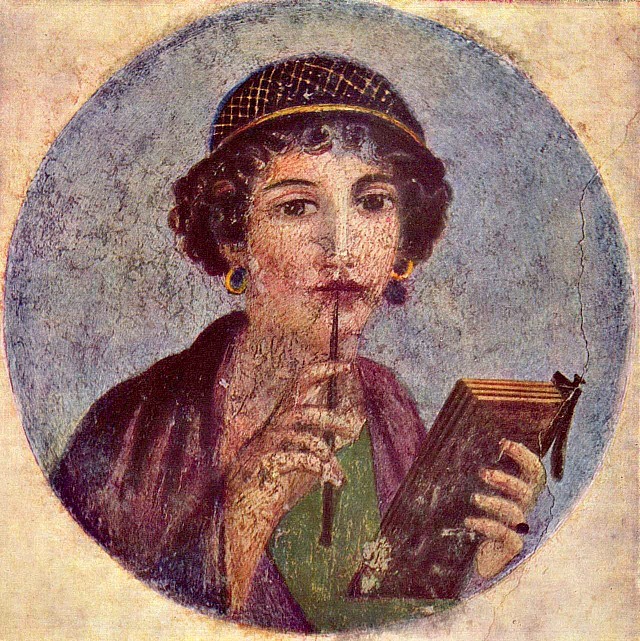
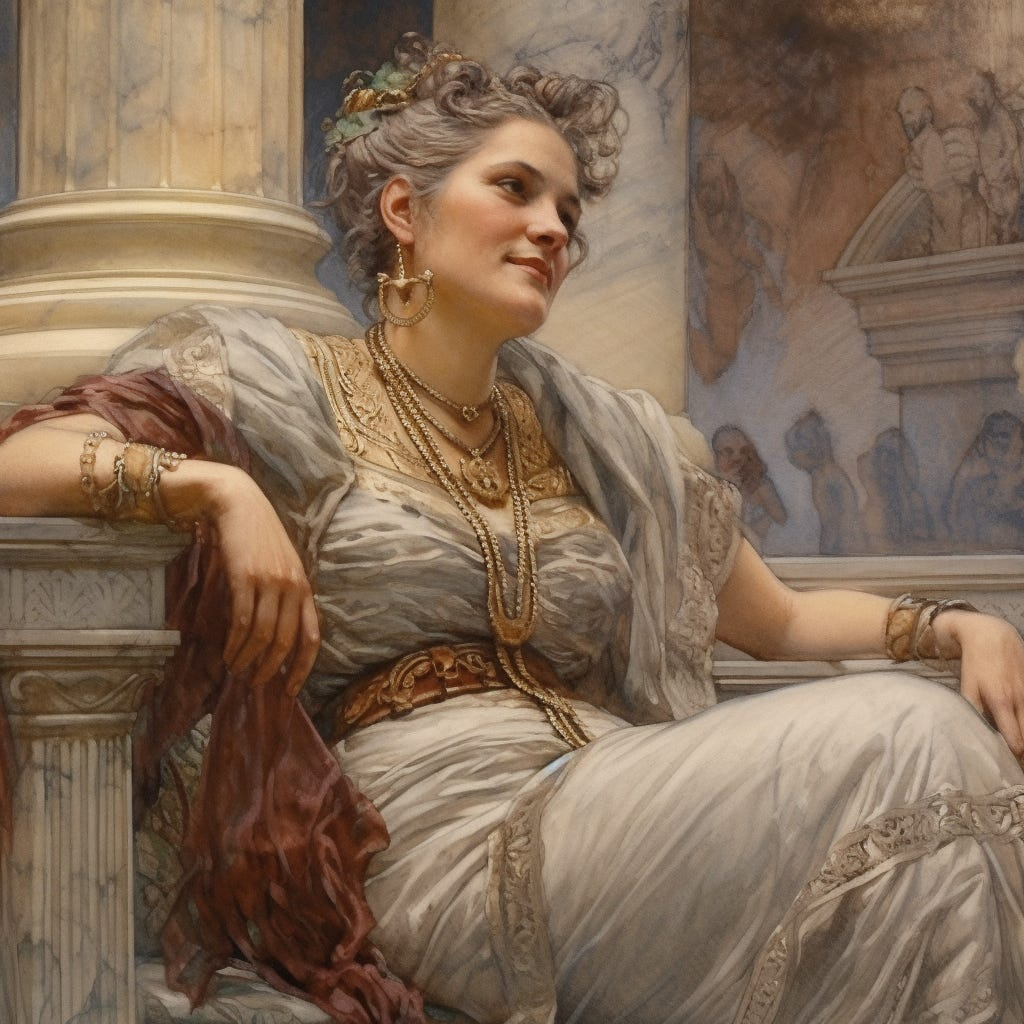
- In ancient Ancient Greece and later Roman Empire, makeup became a way to show status and beauty ideals. Women used white lead or chalk-based powders to lighten their skin (pale skin signified class), rouge for cheeks and lips (often made from iron-oxide/ochre), and cosmetics for eye, lip, and nail adornment
- Perfumes, scented oils and skin-care treatments (olive oil, herbs, aromatics) were common — serving hygiene, scent, and beauty functions. Romans used oils, scented balms, and creams to soften skin, clean, and beautify.
- Cosmetics also began being linked with rituals, seduction, social status, and identity. In many cultures, certain colors or types of makeup indicated social rank, gender roles, or religious/spiritual beliefs.
- Hence, by ancient times, cosmetics had evolved beyond basic skin-care oils and pigments: they were a blend of hygiene, culture, status, ritual, and aesthetics.
Prehistory & Ancient Civilizations
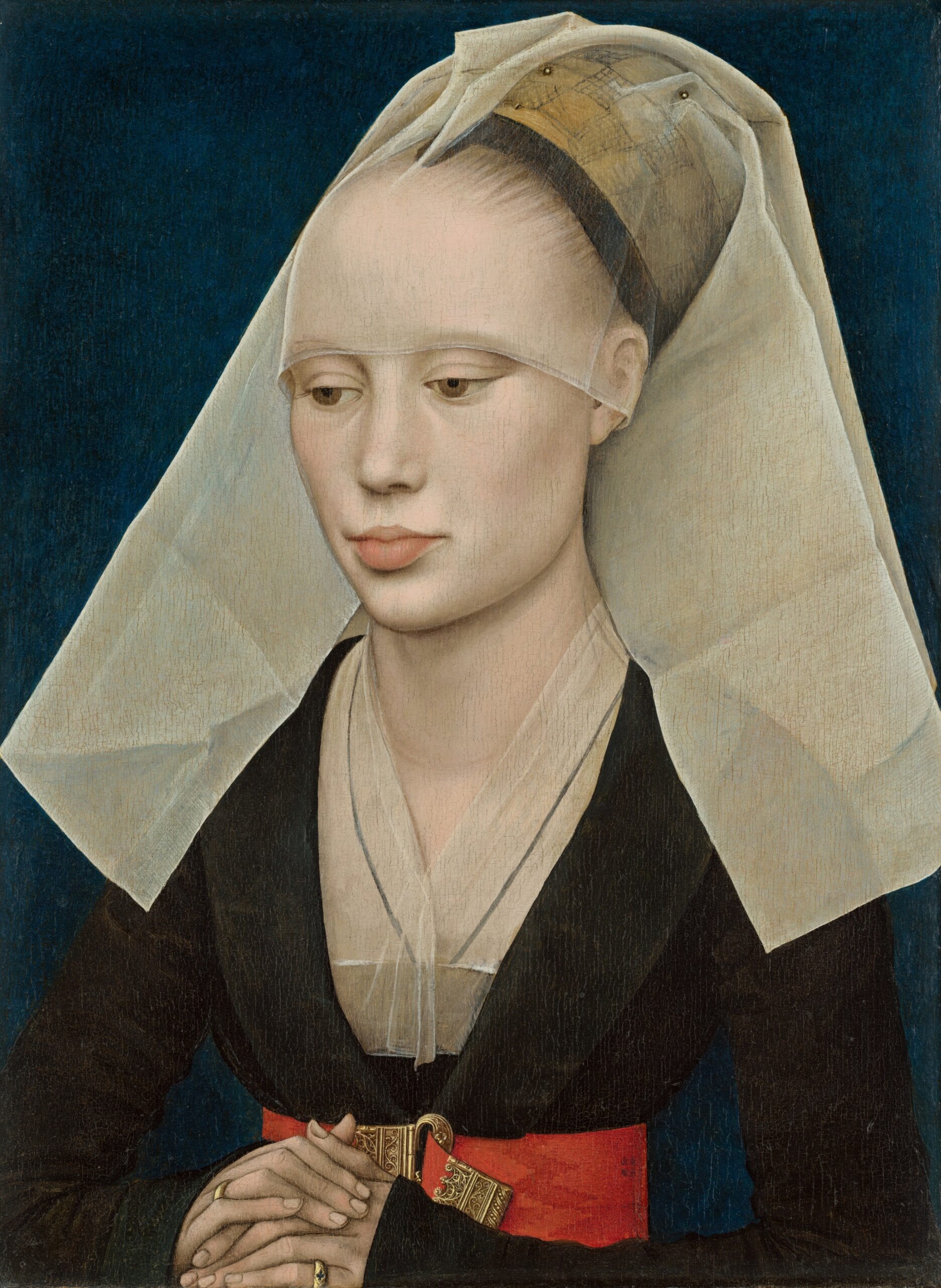
With the fall of the Roman Empire and the rise of religious institutions in Europe, cosmetics fell somewhat out of favor during the Middle Ages. Beauty rituals were often associated with vanity, sin, or moral decline; heavy make-up was often frowned upon in many conservative societies.
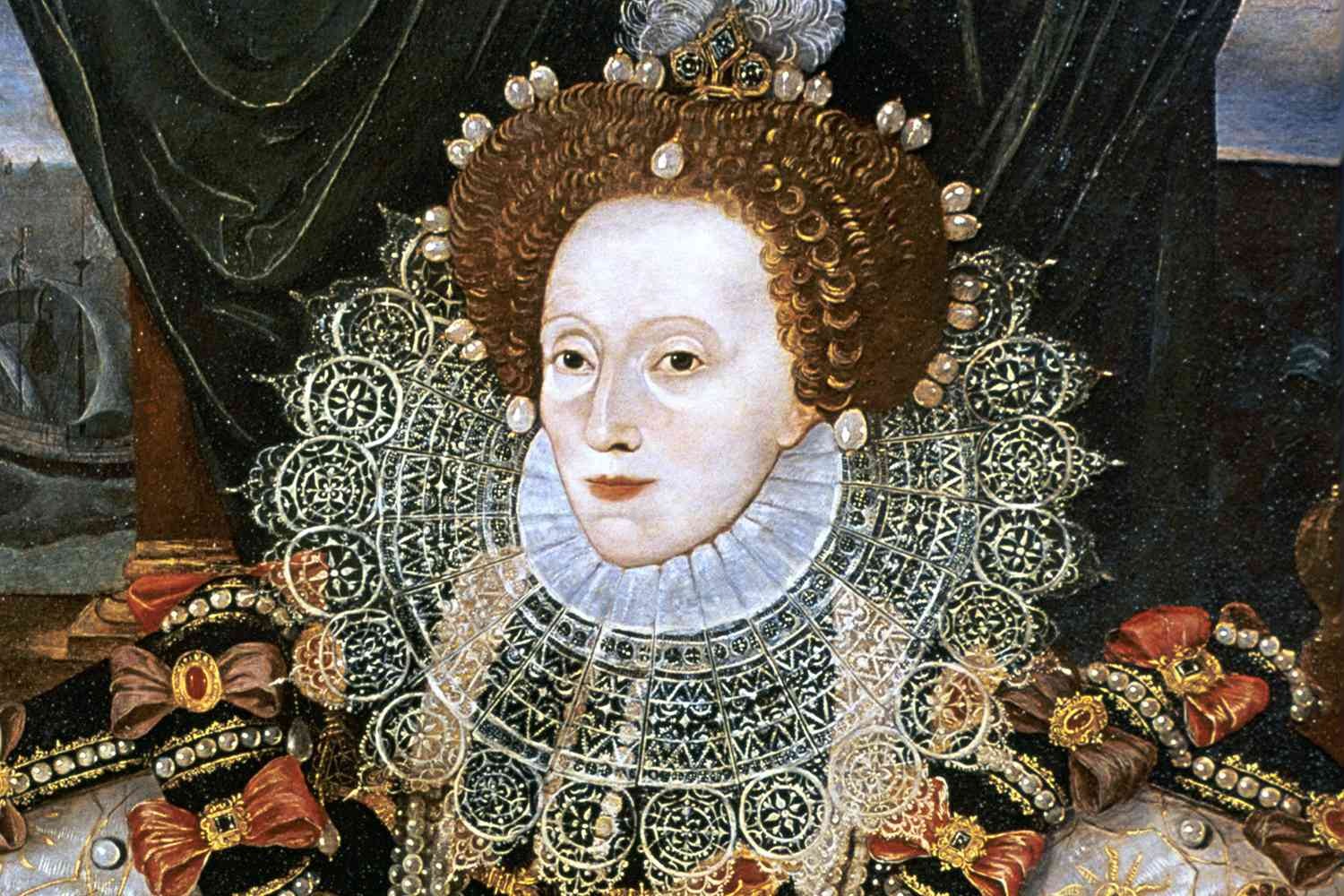
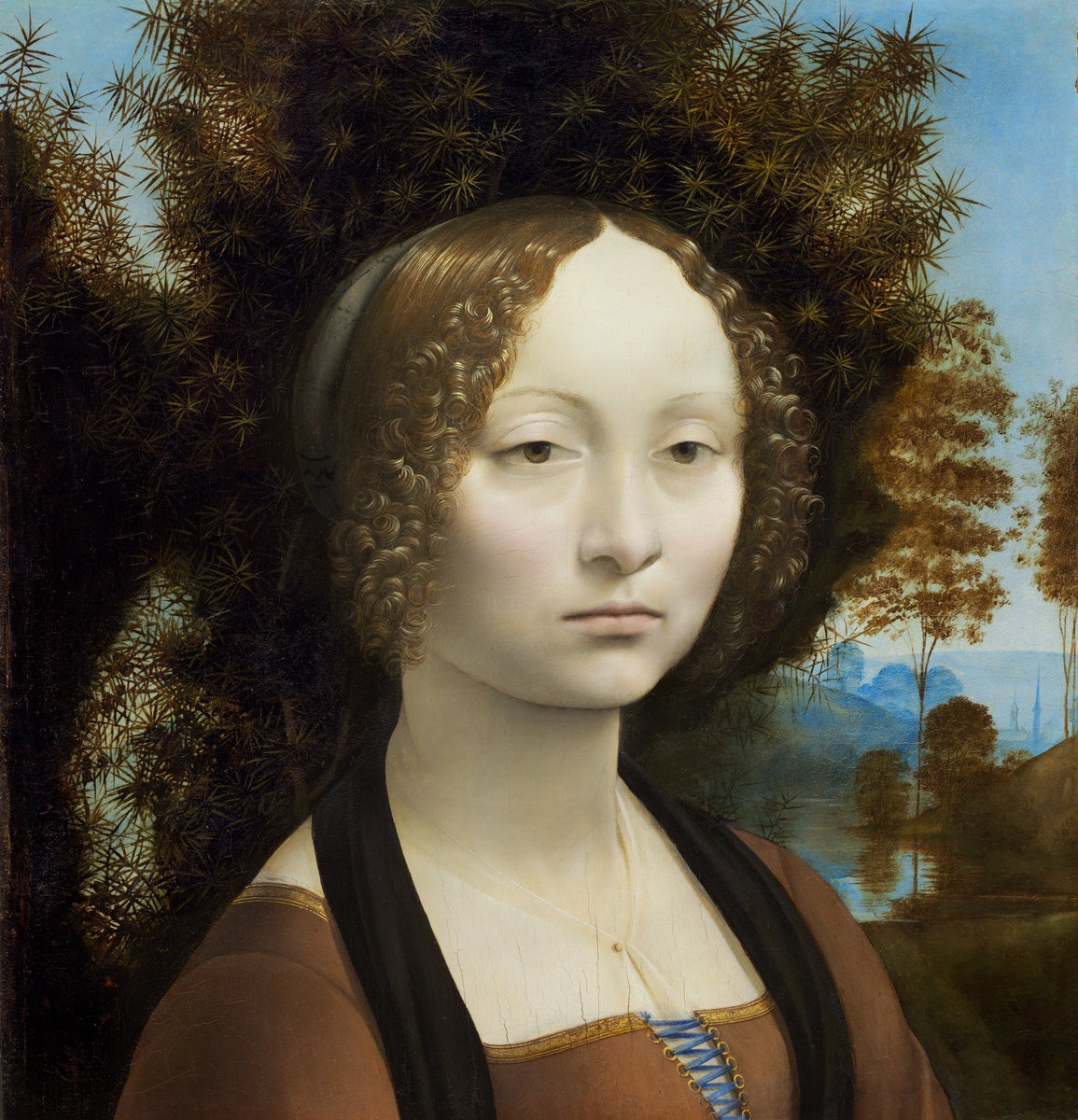
However, during the Renaissance (14th–17th century) and in subsequent eras (like the Elizabethan age), there was a renewed interest in beauty, appearance, and cosmetics. Cosmetics and personal grooming re-emerged among aristocracy and elites. Use of powders, rouge, scented oils, hair treatments — even though often hazardous (e.g. lead-based face powders) — increased.
The emphasis was on transforming looks, asserting status, beauty ideals, and sometimes following dangerous trends. Many of those old makeup recipes would be considered unsafe today. Still, this era marks a key shift: cosmetics as fashion + social identity + artistry.
🧪 Modern Era: Industrial Revolution & Cosmetic Science
The last two centuries changed cosmetics forever — thanks to science, industry, and mass production:
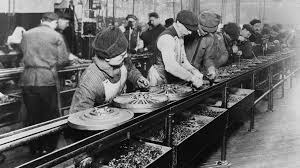
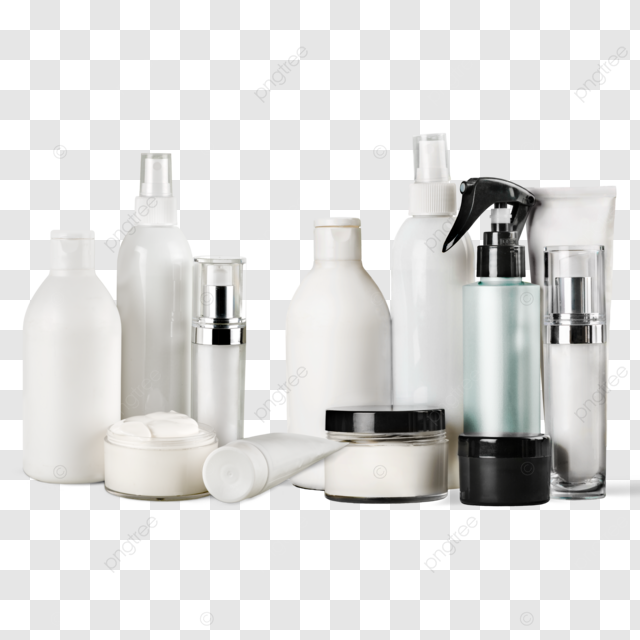
With the rise of chemistry and industrialization, production of cosmetics shifted from handcrafted natural-ingredient mixtures to scientifically formulated creams, lotions, powders, and cosmetics using emulsions, preservatives, synthetic dyes, etc. This allowed for safer, more consistent, and widely accessible beauty products.
The concept of “foundation makeup” — as we roughly know it today — has roots in theater cosmetics. Actors used grease-paints to mask the difference between their real skin and the lighting on stage. Over time, such formulas were adapted for everyday use.
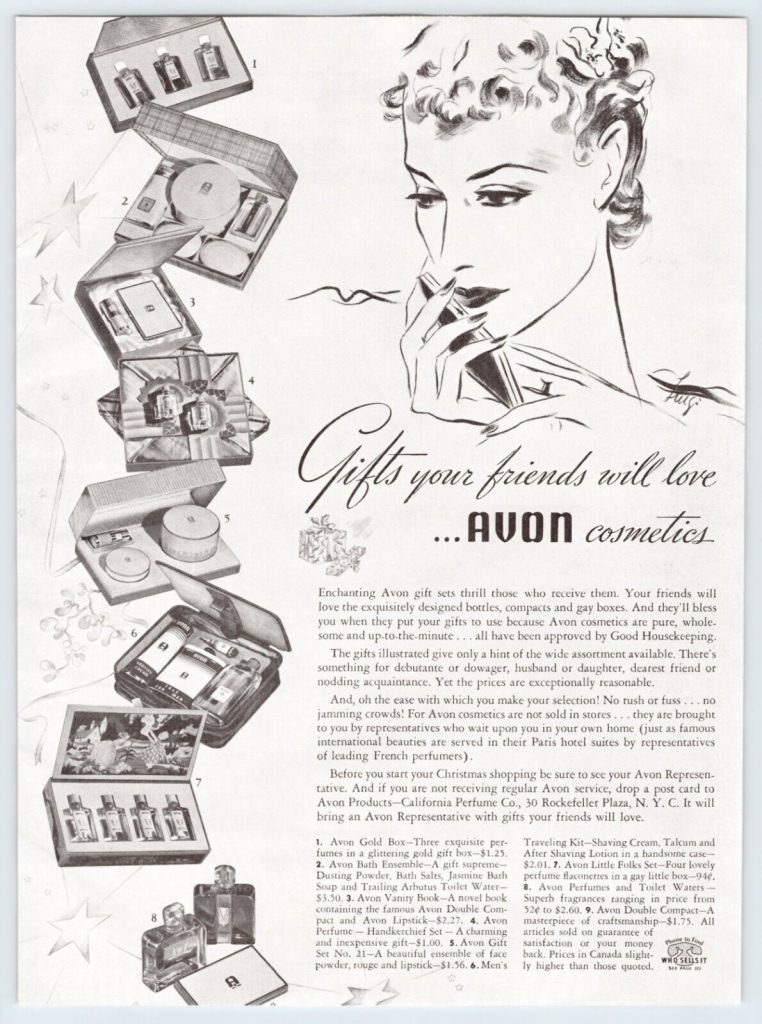
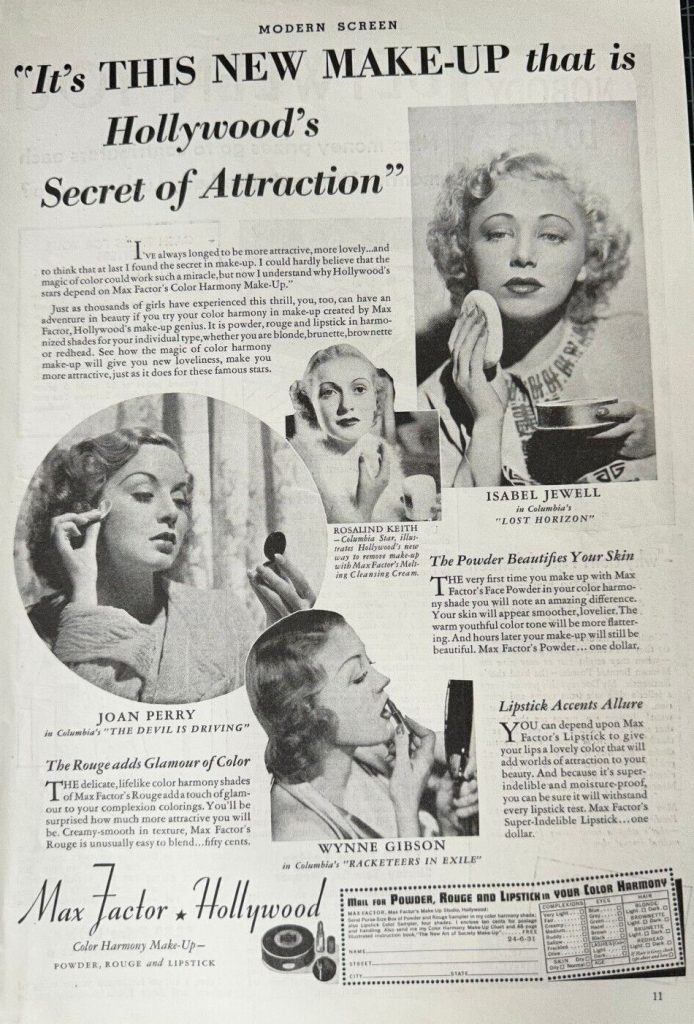
The 20th century saw cosmetics becoming mainstream — powders, lipsticks, mascaras, nail polishes, perfumes — widely used across genders and social classes. Cosmetic companies, branding, marketing, regulation, and global trade transformed makeup into a huge industry.
In recent decades, there’s also been a shift toward skin-care + makeup hybrid products, awareness about skin health, ethical cosmetics, diverse skin-tones, inclusive beauty, and science-backed formulations. Cosmetics today balance beauty, safety, care, and individual expression.
Thus, what began as natural pigments and oils became a globally regulated, scientifically advanced beauty industry — reflecting social change, technology, and evolving beauty ideals.
🧠 Why This History Matters — Especially for Modern Learners & Beauty Professionals
Respect for Roots & Natural Practices: Knowing ancient practices reminds us that many “modern beauty trends” are inspired by nature — natural oils, herbs, simple skincare routines that were safe and beneficial.
Understanding Risks & Ethics: History shows that not all beauty practices were safe (lead-based powders, toxic pigments). As professionals, being aware helps us favor safe, tested ingredients over harmful shortcuts.
Cultural & Social Context: Cosmetics have always reflected social status, culture, identity, gender roles. Understanding this helps in creating inclusive, conscious beauty services/products today.
Evolution & Innovation: The progression from tribal pigments to high-tech formulations shows how human creativity + science + demand rocketed the industry. For learners — it’s a journey of art + science.
Value of Professionalism: Traditional handcrafted creams may have charm, but modern training and standards ensure hygiene, safety, consistency — which is what modern clients expect.

Comments ( 2 )
Comments are closed.
Diam volutpat commodo sed egestas egestas. Euismod lacinia at quis risus sed vulputate odio ut enim. Condimentum id venenatis a condimentum. Ornare arcu dui vivamus arcu felis bibendum ut tristique et. Mi eget mauris pharetra et ultrices neque ornare. Facilisi etiam dignissim diam quis enim. Tempor orci dapibus ultrices in. Lacinia at quis risus sed vulputate odio.
[…] -Jadir khan […]